
We all know cotton as a basic fabric—it’s in our tees, our towels, our sheets. But if you look closer, there’s a whole layer of symbolism most of us totally ignore.
Most people rarely think about where their T-shirts or quilts come from, even though they all start with a single plant. Yes, cotton. It looks ordinary, and many don’t even think of it as a “flower.” But did you know? Cotton has its own “flower language,” and this idea feels simple, but surprisingly meaningful.
What Does Cotton’s Floral Meaning Actually Say?
In many interpretations, cotton is often associated with the idea of cherishing what you already have. Cherish the people around you, cherish the happiness right before your eyes.
Look, cotton fibers are light and soft. When the wind blows, those white fluffy tufts drift away, impossible to hold onto. This can easily be compared to how relationships and moments in life can slip away. Beautiful moments and close relationships—if we don’t cherish them with care, they might vanish in an instant, carried away by the wind. For many people, this makes cotton a symbol of mindfulness and appreciation.
Beyond “Cherish,” What Else Does Cotton Represent?
Although it looks modest, cotton has been linked with several symbolic meanings.
- It embodies purity. Cotton’s fluffy, snow-white appearance resembles clouds in the sky, instantly evoking feelings of cleanliness and innocence. It symbolizes a heart free from impurities.
- It is a warm haven. We use cotton for clothing and quilts because it provides tangible warmth and comfort. Thus, the language of cotton also represents the security of home and that quiet, steadfast love that watches over you.
- It stands for hard work. Seriously, cotton is tough. It doesn’t grow in some fancy greenhouse; it sits out there in the scorching sun and wind until it’s ready. Seeing a ripe cotton boll is basically witnessing the “grand finale” of a long, grueling season.
The Story of Cotton: Ordinary Yet Magnificent
Many people, including myself, tend to overlook cotton as a plant. It wasn’t until I truly observed its journey from blossom to seed that I was genuinely moved.
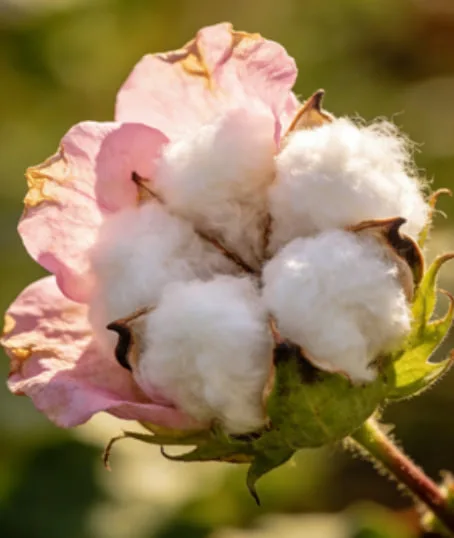
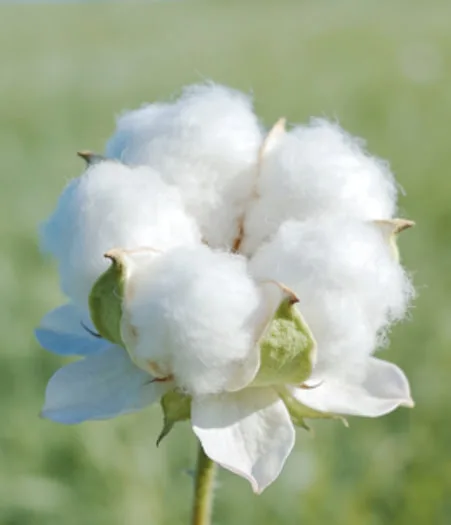
Its flowers start as creamy white, turn pink, and eventually fade. Then, in its place, a green boll emerges. When the boll ripens, it bursts open with a pop, revealing the snow-white cotton we know. See? From a delicate flower to a hardened boll to a soft mass of fibers—isn’t this the story of a life’s transformation?
What does this process teach us? Some people see this transformation as a metaphor for growth and resilience. Isn’t this resilience something we all need?
Why Do Modern People Increasingly Love Cotton?
Compared to more decorative flowers, cotton is often valued for its simplicity. It’s unassuming, unpretentious—offering only the most fundamental, sincere companionship.
Some turn it into dried flowers for their homes. Why? Because it brings a sense of calm and grounding. Many people find its appearance calming and minimalistic. This is likely the power of “simplicity is beauty” in the language of cotton.
Gifting a bouquet of cotton is also a wonderfully thoughtful present. Unlike the passionate intensity of roses, it carries a subtlety and depth surpassing any other flower. It is often seen as a symbol of quiet support and stability rather than romantic passion.
Ah, think about it—don’t we often overlook these most ordinary things around us? They stand silently, yet constantly shielding us from life’s storms.
So next time you slip into a cotton T-shirt or snuggle under a cotton quilt, pause for a moment. It’s not just an object—behind it lies an ancient, tender reminder: the language of cotton. To me, that’s the real beauty of it. It’s a quiet reminder to stop overcomplicating things and just appreciate the simple comfort we often take for granted.
