

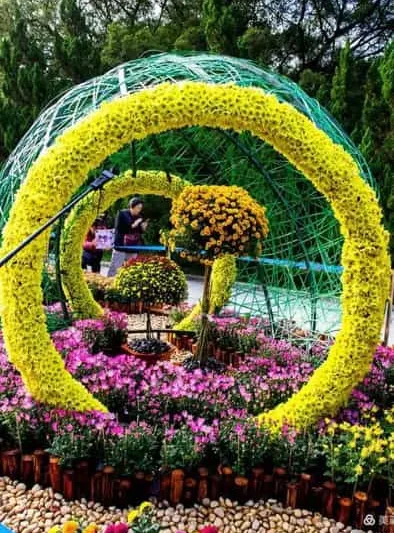
Welcome to the Flower Language Dictionary!
Did you know? Flowers actually “speak.” They’re not just simple decorations. Every flower holds a special meaning. It’s like a “Flower Language Dictionary” that helps you quietly convey your heartfelt words to someone.
So, how do you use flowers to express what you want to say?
First, clarify: What do you want to say?
Before consulting the “Flower Language Dictionary,” ask yourself:
- What’s the occasion? Is it a birthday, graduation, or someone feeling down?
- Who are you giving them to? Is it your best friend or your special someone?
- How do you want them to feel? Happy, warm, or comforted?
Once you’ve clarified these points, choosing flowers becomes much easier. For instance, do you want to say “I love you,” “I’m sorry,” or ‘Congratulations’? The clearer your purpose, the more accurately you’ll select the flowers.
Consult the “Flower Language Dictionary.”
Now, let’s look up the dictionary!
- If you have a favorite flower in mind, like roses, see what it symbolizes. Red roses mean “passionate love,” while yellow roses signify ‘friendship’ (though they can sometimes represent jealousy too).
- If you have a specific feeling to express, like “purity,” look up which flowers represent that. White lilies and snowdrops are symbols of purity.
Color and quantity matter!
A flower’s meaning depends not just on its type, but also its color and number.
- Different colors convey different meanings. Take tulips: pink signifies “affection,” deep red represents “eternal love,” while yellow conveys “cheerful thoughts.”
- Quantity also carries meaning. In some traditions, a single red rose signifies “love at first sight.” Different numbers convey varying degrees of sentiment.
Wow, who knew gifting flowers involved so many nuances!
Watch Out for Pitfalls!
When selecting flowers, be careful not to mean well but do harm. Ensure all chosen blooms share consistent, positive meanings.
For example: If you want to encourage a friend, never give yellow carnations, as they often symbolize “disappointment.” One flower could ruin the entire sentiment of your bouquet.
Finally, double-check.
The meanings in the “Flower Language Dictionary” mostly follow Western traditions. But people in different places may interpret flowers differently. It’s wise to consider whether your recipient might interpret them differently. For instance, in Chinese culture, sunflowers symbolize longevity and good fortune[[3]], while peonies represent wealth and prosperity. Verifying this ensures your message lands perfectly.
Additionally, while unrelated to meaning, opt for seasonal blooms. Fresh flowers look most vibrant and lively, right?
A Quick Guide for the Time-Pressed.
Unsure what to choose? Here are some simple suggestions:
Expressing love and romance?
- Red roses: The timeless classic of love—never goes wrong.
- Red tulips: Say “I love you” directly—and more affordably than a bouquet of roses.
- Pink Carnations: Symbolize “I’ll never forget you”—sweet and enduring.
Expressing friendship and joy?
- Yellow Roses: Signify “good friends”—simple and direct.
- Sunflowers: Represent admiration and lasting friendship, perfect for old pals.
- Daisies: Symbolize innocence and simple joy, instantly lifting spirits.
Want to express sympathy or remembrance?
- White Lilies: Represent purity and sympathy, often seen at funerals.
- Gladiolus: Symbolize strength of character and are also associated with remembrance.
- Rosemary: Though not a flower, it’s a significant memorial symbol that can be added to bouquets.
See how fascinating it is to understand the language of flowers? Not only can it help you express your feelings more effectively, but it also deepens your understanding of yourself and those around you. Next time you give flowers, take a moment to think—let the blooms speak your truest words.