
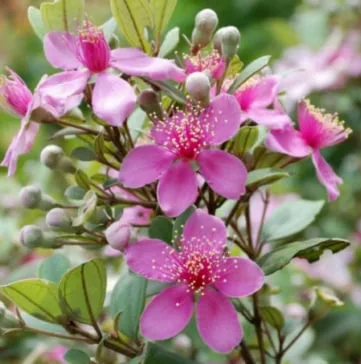
Over the past two weeks, I’ve pored over old gardening books and had lengthy chats with the florist downstairs. It all started simply: I spotted a small sprig of green foliage in a friend’s wedding bouquet, and someone whispered it was “royal-exclusive.” I couldn’t help but wonder—could it really be that special? To find out, I decided to dig into its story myself. What I discovered was that this humble little plant is truly remarkable.
Its botanical name is Myrtus communis, commonly known as the myrtle. It’s a true veteran in the plant world, having existed for thousands of years. Unlike flashy red blooms that grab attention at first glance, it’s an evergreen shrub that bears delicate white flowers. Its star-like stamens carry a faint, refreshing fragrance. Beyond its beauty, it symbolizes love, purity, and enduring longevity across diverse cultures.
Origin & Botany: From the Mediterranean to Your Garden
The myrtle’s homeland lies in the Mediterranean region and North Africa. It thrives in warm climates, loving sunshine but shunning the cold. Its presence can be traced on ancient maps of Greece, Rome, and the Middle East. Belonging to the Myrtaceae family, it shares lineage with giants like eucalyptus and lilac. Ancient cultivators valued not only its blossoms but especially its leaves and berries. The essential oil extracted from them served medicinal purposes and enhanced air quality.
The Sacred Symbolism: Ancient Myths & The Language of Flowers
When discussing the language of the myrtle flower, we must delve into mythology. In Greek and Roman tales, it was sacred to Aphrodite (Venus), symbolizing eternal love and beauty. Temples were often surrounded by myrtle, and victors and poets were crowned with myrtle wreaths—a supreme honor.
In biblical tradition, it holds significance too. The Jewish Feast of Tabernacles requires four plants, one being myrtle. It represents God’s generosity and symbolizes those who do good deeds. The Bible often links it with peace and blessings. By the Victorian era, when sending messages through flowers became popular, myrtle’s floral meaning came to symbolize “loyalty” and “happy marriage.” Lovers would give it to signify, “I will always be good to you.”
A Royal Tradition: Why Every British Bride Carries Myrtle
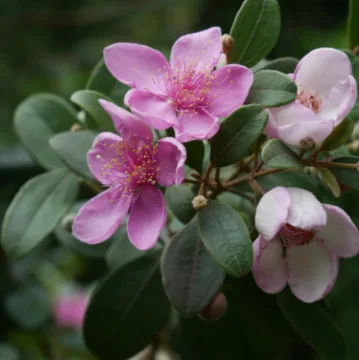
There’s also a particularly interesting tradition connected to the British Royal Family. Starting with Queen Victoria, every royal bride’s bouquet must include a sprig of myrtle. This custom was passed down from the Queen’s grandmother, who received a branch and planted it at Osborne House. Later, Queen Elizabeth II, Princess Diana, and now Kate Middleton all included this branch in their bouquets. It’s not merely decorative; it symbolizes a marriage as evergreen and steadfast as the plant itself.
Beyond Beauty: Essential Oils, Culinary Uses, and Landscaping
Myrtle flowers have five white petals, with densely packed stamens in the center that look fluffy and adorable. Beyond its symbolic meaning, every part of the plant is valuable.
- Essential Oil: Leaves yield an essential oil with a refreshing, camphor-like scent, excellent for perfumes or aromatherapy.
- Cooking: Mediterranean cultures use dried leaves and berries to season meats. Sardinia even has a liqueur called “Mirtol” made from it.
- Landscaping: Its dense foliage and year-round greenery make it popular for garden hedges, and it’s beautifully shaped into various forms.
Growing Patience: My Personal Journey with the “Evergreen Promise
I also learned that in some ancient Middle Eastern traditions, it symbolizes “restoration” and “new beginnings.” This plant feels like a universal tool—whether you’re getting married, reconciling, or starting anew, it can help.
After a month with this plant and hearing so many stories, I’ve gained a profound insight. Its true meaning is “investment.” You choose it not just for its beauty, but because you’re making a promise—to your partner, to friends, or even to yourself. It’s not as flashy as roses or as noble as lilies, but it stays green year-round. This simplicity is what makes it truly moving.
I placed a pot of myrtle by my front door. Every day, as I come and go, I see it. It reminds me that the best things in life often grow slowly. They need time to take root, they need patient care. But once they’re firmly rooted, they’re hard to uproot.
Ah, looking at these unassuming green leaves, I finally understand: the most enduring declaration of love doesn’t need to be loud. It just needs to be there, always.
