
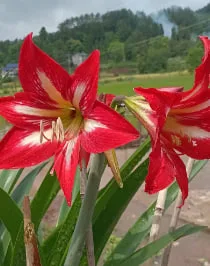
Last winter, my studio was a mess, as if a typhoon had swept through. Paper piled up like mountains, coffee cups stacked in the corner, and even the sunlight seemed too lazy to shine in. Right then, I casually bought a few dry bulbs, thinking, “Well, I’m idle anyway, might as well grow some green plants.” Little did I know that from that moment on, I’d step into the world of amaryllis flower meaning.
I used to think flowers were just for looking pretty. But when you bury a hard bulb in soil with your own hands, water it daily, move it around, and watch for that first tender sprout—it feels like having a conversation. It doesn’t speak, but it tells you so much through its colors and posture. Especially the amaryllis. It’s not some delicate little flower, but a strong-willed, story-filled “leading lady.”
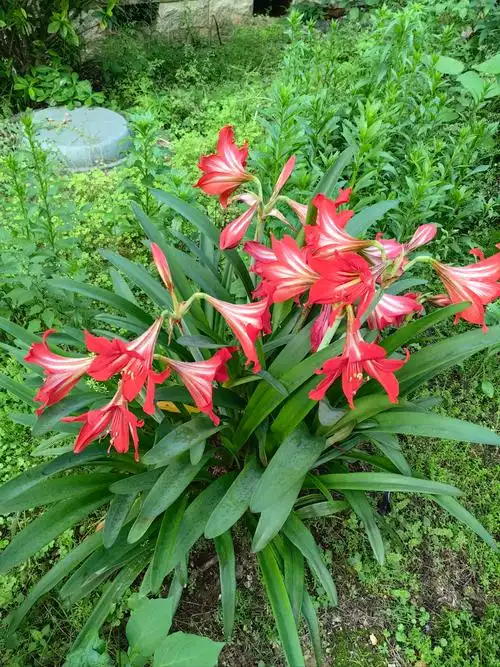
It represents strength and perseverance.
Sprouting from a bulb that looks nearly dried out, within days the amaryllis develops a sturdy stem, pushing several large trumpet-shaped flowers straight toward the ceiling. Have you ever seen a flower with such vigor? Unafraid of cold or darkness, it thrives on minimal water and light, blooming vibrantly even in the dead of winter.
That’s why many gift amaryllis to friends facing illness, exams, or personal lows. Not because it’s expensive, but because it whispers: “Don’t be afraid. You can get through this too.” This kind of strength and resilience is far more meaningful than a simple “hang in there.”
True beauty comes from within, not filters.
Victorians were particularly fond of conveying emotions through flowers. Back then, gifting an amaryllis was no casual gesture. It symbolized a proud beauty—not narcissism, but the kind of confidence that says, “I know I’m good.”
Picture this: an amaryllis standing by the window, petals plump and vibrant, stem standing tall and straight. It doesn’t need to cling to anyone or seek approval; it simply blooms in quiet presence, yet leaves an unforgettable impression. This beauty is the poise forged through storms, not a fragile ornament under glass.
A fairy tale of love fought for with all one’s might.
The name “amaryllis” comes from Greek, meaning “to shine brightly.” Legend tells of a nymph named Amaryllis who fell in love with a shepherd named Alteo. He possessed the strength of Hercules, yet remained utterly indifferent to love.
To win his heart, Amaryllis stood before his door for thirty days, piercing her own chest with a golden arrow each day. On the thirtieth day, her blood fell to the ground, sprouting a deep crimson bloom—the amaryllis we know today.
This tale may sound harsh, yet it embodies a resolve to sacrifice everything for love. Thus, when someone gifts a red amaryllis today, they are saying: I am willing to give my heart to you, even at the cost of sacrifice.”
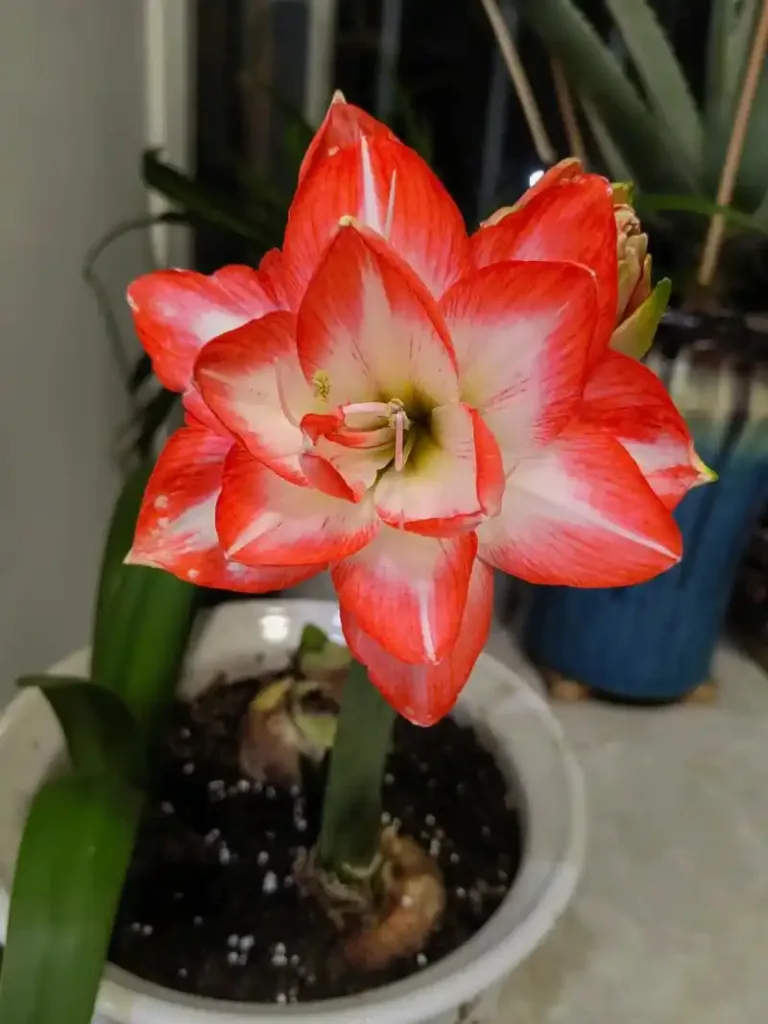
Different colors, different meanings.
Amaryllis blooms in many hues, each whispering its own secret:
- Red: Passion, deep love, and intense attraction. Perfect for declarations of love or commemorating significant relationships.
- White: Purity, tenderness, and a touch of sacredness. Often seen at weddings or memorials.
- Pink: Lighthearted, friendly, and a bit playful. Perfect for best friends or family.
- Orange: Bursting with energy, like a glass of hot orange juice, offering warmth and vitality.
- Purple: Noble, unique, with a hint of “I don’t follow the crowd”—perfect for individuals with personality.
Choosing one is really about choosing the mood you wish to express.
A Signal of Hope in Winter.
The most magical part? Amaryllis blooms precisely from December to February—the coldest, most lifeless time of the year. Days grow dark early, and spirits can easily sink. But this plant? Whoosh—it bursts forth with three or four large blooms, red, pink, or white, instantly illuminating the entire room.
That’s why many see it as a symbol of New Year’s hope and prosperity. Not because it’s rare, but because it reminds us: even the coldest winter will pass; even the toughest times can yield blossoms.
