
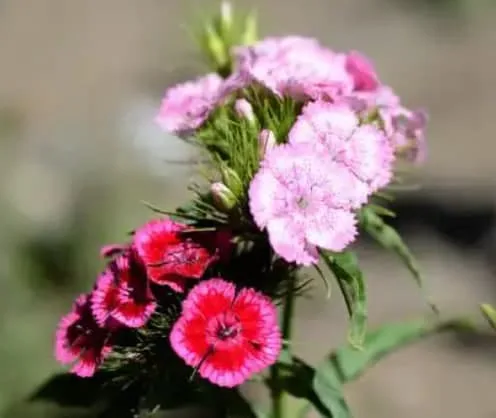
For the past two weeks, I’ve practically lived in my backyard. I wanted to plant something special, not just the usual flowers and plants. At the local hardware store, I grabbed a handful of seeds labeled “Sweet William.” The name sounded like a proper old English gentleman, so I figured growing these wouldn’t be too much trouble.
I cleared a patch overgrown with weeds, turning the soil over and over until my back ached. Then I scattered the seeds without much thought. Waiting for them to sprout was a bit boring, so I started researching. Little did I know, this tiny flower hides a history more fascinating than any TV drama. Today, as a fellow flower enthusiast, I’d like to share with you the meaning behind Sweet William and explore what makes them so special.
What is Sweet William? Discovering This Unique Flower
Many people think flowers are just for decoration—pretty enough is good enough. But Sweet William (Dianthus barbatus) is different. It’s not just a splash of color in the garden; it carries an ancient sentiment. For those wanting to add a touch of “story” to their yard, understanding its background is important. It’s a biennial plant, meaning you have to accompany it through two seasons to see it in full bloom. This waiting is a form of practice in itself.
The Symbolism of Sweet William: Courage and Noble Character
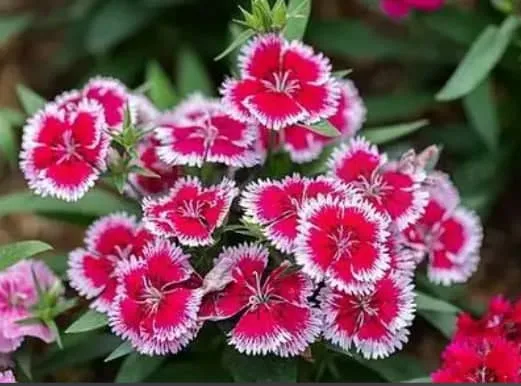
In the language of flowers, Sweet William most often represents bravery and masculinity. Picture it as a knight on an ancient battlefield—unpretentious, unyielding, radiating a rugged strength. Historically, it has been linked to noble virtues and courageous deeds. If you wish to express an attitude of perseverance in your flowerbed, choosing sweet William is a sure bet. While most flowers emphasize tenderness and feminine beauty, sweet William offers a down-to-earth, bold energy. Watching them sway in the wind, you’ll feel as though they stand guard like sentinels, protecting your little garden.
The Meaning of Sweet William in Floral Culture
Don’t be fooled by its “tough guy” exterior. Beyond its resilience, this flower also symbolizes refinement and perfection. Look closely, and you’ll notice the delicate fringe along its petal edges—like lace accidentally trimmed too short, yet beautifully imperfect. Its blooms cluster into umbrella-shaped arrangements, neatly aligned as if nature crafted them with precision.
During the Victorian era, when people felt too shy to say “You’re so elegant” or “Please smile for me,” they would gift a bouquet of Sweet Williams. It was a subtle compliment and a gentle request. How charming—hiding their feelings within flowers. Looking back, this understated way of expressing oneself was actually quite romantic.
What Do Different Colors of Sweet William Flowers Symbolize?
While the overarching theme is courage, different hues lend distinct moods to gardens:
- Deep Red: This color signifies profound passion and romantic commitment. If you wish to express ardent affection, deep red sweet williams are an excellent choice.
- Pink: The color of motherly love, symbolizing tender affection. Many family gardens favor pink sweet williams for their warm, inviting appearance.
- Purple or Bi-color: These hues are often associated with royalty and mystery. Planted along borders, they add an air of sophisticated intrigue to the yard.
- White: Represents purity and talent. Often used in memorial gardens or moon gardens—those spaces meant to be appreciated only under moonlight—where they appear exceptionally sacred.
Why is this flower called “Sweet William”? The historical origins of its name
The debate over why it’s called “William” has raged for ages without resolution, adding to its mystique. Some suggest it honors William the Conqueror, the renowned English monarch; others propose it commemorates Saint William of York, a religious figure. In certain traditions, it’s even called “God’s Flower,” as ‘Dianthus’ itself means “divine flower” in Greek. Viewed this way, planting them in our gardens pays homage to the spiritual beauty within nature.
How to Grow and Use Sweet William in Your Garden
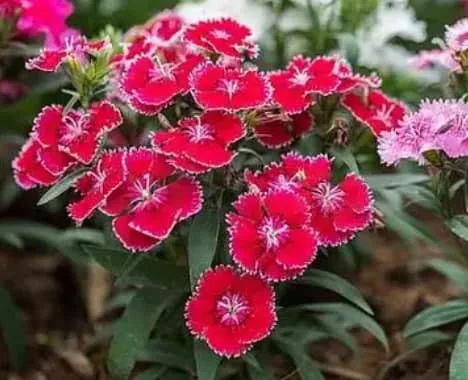
To maximize their impact in your garden, try these arrangements:
- Plant along pathways: Let them stand like sentinels beside walkways, symbolizing a courageous welcome for every visitor.
- Designate a cutting garden: If you often send flowers to friends, cultivate a dedicated patch for crafting bouquets that convey “perfect” wishes.
- Attract wildlife: They particularly draw butterflies and bees. When these creatures flit among the blooms, the garden gains a layer of “life-giving” meaning, symbolizing the harmonious coexistence of flora and fauna.
Seeing my little garden finally take shape fills me with emotion. Each time I pass by, I see not just plants, but a blend of Scottish history and Victorian etiquette. Though they may bloom for only a few weeks next summer, I’ve poured so much sweat into them. Yet preserving this bit of history in an ordinary suburban corner brings genuine satisfaction.
Truthfully, in this fast-paced era, being willing to wait two years for a single flower to bloom is itself a luxury—and a beautiful one. The meaning of Sweet William perhaps lies precisely here: it teaches us patience, and shows us how to find the extraordinary in the ordinary.
If you have an empty corner in your garden and don’t mind waiting an extra year for that surprise, why not scatter a handful of seeds into the soil and quietly await the miracle? After all, life always needs a little anticipation like this, doesn’t it?
