
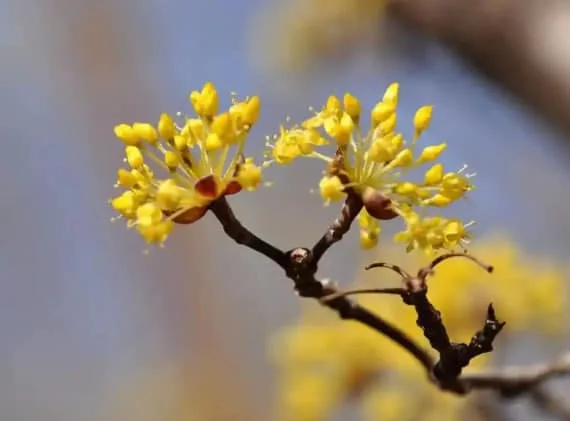
I remember spending an entire weekend digging holes in the backyard a few years ago. Sweat soaked through my clothes, all for planting a few saplings. Back then, I knew next to nothing about them. I just thought they looked pretty and wanted to add some color to the yard. After the second year, when they finally bloomed properly, I started wondering what they actually stood for. What did these flowers truly represent? Later, I came to understand that those little white and pink blooms were far more than mere lawn decorations. I later realized there was far more history behind them than I had expected.
The True Character Behind the Blossoms.
Many people judge by appearances alone, thinking the dogwood is delicate and fragile. But that assumption doesn’t really match reality. This flower symbolizes resilience, purity, and enduring faith. Its structure is unique, typically featuring four “petals.” It’s not just decorative — over time, people have attached deep cultural meaning to it. It’s a tough plant in the botanical world, yet also a gentle guardian.
Let’s break down its core meanings:
- Rebirth and Hope: It’s one of the first plants to awaken in spring. When it blooms, you know winter is basically over — even if the air still feels cold.
- Gentle Exterior, Strong Core: It looks fragile, but if you’ve ever tried cutting its branches, you’ll quickly learn otherwise. This symbolizes someone who is outwardly gentle yet possesses inner strength.
- Pure and Flawless: Many people associate its white blossoms with purity, especially in weddings or religious settings. It’s often used to describe youthful love or spiritual devotion.
- Exceptional Endurance: Once established, it can handle more stress than you’d expect. This represents the ability to face life’s challenges with composure.
At the flower shop, customers often ask me what flowers are appropriate to give. I recommend the Cornelian cherry. When they naturally inquire about the Cornelian cherry flower’s meaning, I always tell them it represents a “gentle yet unbreakable” spirit.
A Legend That Has Endured
A particularly special legend surrounds this flower, especially renowned in Christian tradition. The story tells of a tree that once grew tall and sturdy, its wood exceptionally strong. It was later used to craft the cross. After the event, the tree grieved deeply. It vowed never again to grow so tall, never to be used as a tool to harm others.
Thus, it transformed into its current slender, curved form. Notice the tips of its petals, which seem to bear the marks of tiny nails. The center of the flower resembles a crown woven from thorns. Each blooming serves as a reminder of sacrifice and sacred love. Whether or not the legend is historically accurate, it’s a story many believers still share today.
Why It Makes the Perfect Gift.
Picking the right flower isn’t always easy. Giving dogwood—whether as saplings, floral arrangements, or related accessories—conveys complex emotions. It suits many significant moments:
- Beginning a New Chapter: Its strong association with spring makes it ideal for friends starting new jobs or moving homes. It carries blessings of growth and prosperity.
- Comforting a grieving heart: Unlike typical funeral flowers, it doesn’t signify “end” but rather “eternal life” and “resilience.” Offering it during sorrow acknowledges pain while extending hope for healing.
- Everlasting devotion: In ancient floral symbolism, gifting cornelian cherry to a lover signifies “my affection is steadfast.” More distinctive than roses, it emphasizes a love resilient enough to weather storms and endure a lifetime.
- Guardian and protector: Historically, it served as a talisman.
Today, giving them expresses a desire to protect the recipient or gratitude for their steadfast presence as a guardian.
Sometimes, customers pull out their phones to look up dogwood flower meanings, then nod and say, “Yes, that’s exactly it. I want to give these to the person who stood by me through tough times.” Hearing that makes me feel my work is truly meaningful.
Secrets I Discovered in the Garden.
Book knowledge is one thing; hands-on cultivation is another. Caring for them these past years, I’ve uncovered fascinating facts rarely mentioned in textbooks.
First, they’re truly as hard as nails. Once, while trying to prune dead branches with cheap shears, the branches didn’t budge—but the shears nearly bent. Historically, its dense wood was even used for golf club heads because it resisted cracking under repeated impact.
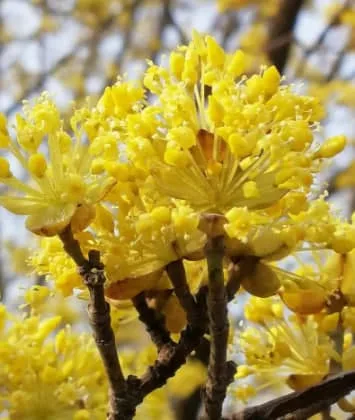
Second, those “petals” you see are actually deceptive. The large white or pink sections aren’t true petals at all—they’re discolored leaves. The real flowers are those tiny yellow dots in the center. Those large white parts are actually bracts — a visual strategy that helps attract pollinators.
Third, the red berries in autumn are for the birds. I once tried one out of curiosity—bitter and astringent, utterly inedible for humans. But the birds in my yard go wild for them. For weeks, my tree becomes a 24/7 bird buffet, bustling with activity.
After tending plants for a while, you realize they’re more honest than people. They don’t speak, yet their growth tells you everything. I used to underestimate this tree. Now, I don’t.
