
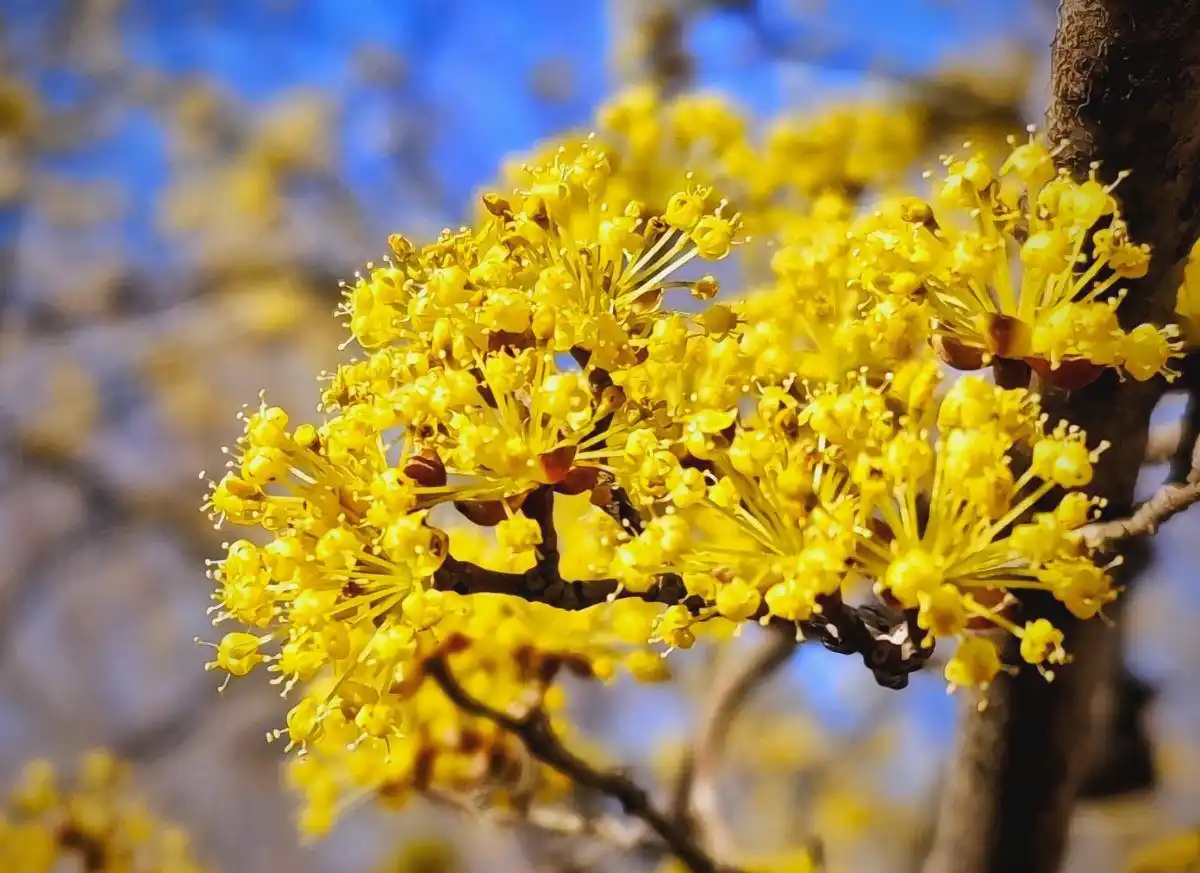
For the past decade, I’ve spent most of my time fussing about in the backyard. I wanted to transform that patch of yellowing grass into a beautiful garden. Last spring, I decided to seriously plant a special kind of flower. If you walked through the garden in late winter and suddenly caught a sweet fragrance that made you stop in your tracks, it was probably this one. It’s called daphne. Let me tell you, growing these flowers taught me far more than just how to dig a hole.
That day, I visited a local nursery and brought home a small pot of daphne. The person behind the counter looked at me as if I were asking for trouble. He warned me that these plants are “divas.” They hate being moved around, despise standing water, and sometimes die for no apparent reason. Hearing this, you might think it’s hard to care for. But that brings us to the first layer of daphne flower meaning. In the world of flowers, it represents honesty and innocence. It also carries a hint of “immortality.” Think about it—when everything around it is still frozen stiff and gray, it blooms. I dragged the pot home, dug a hole in a spot where sunlight could reach, and silently prayed for its survival.
The Ancient Story Behind Its Name.
The Daphne family has many members—some deciduous, some evergreen. They’re renowned for their enchanting fragrance and delicate blossoms. Beyond their beauty and scent, this flower carries a profound historical tale.
Its name “Daphne” comes from the Greek word for laurel tree. In ancient mythology, there was a beautiful nymph named Daphne, daughter of the river god. When the sun god Apollo pursued her relentlessly, she fled to her father for help. Her father transformed her into a laurel tree. Though true daphne differs from laurel, people adopted this name due to the striking resemblance of their leaves. This tale adds a layer of legend to the flower.
Secrets the Flower Whispers.
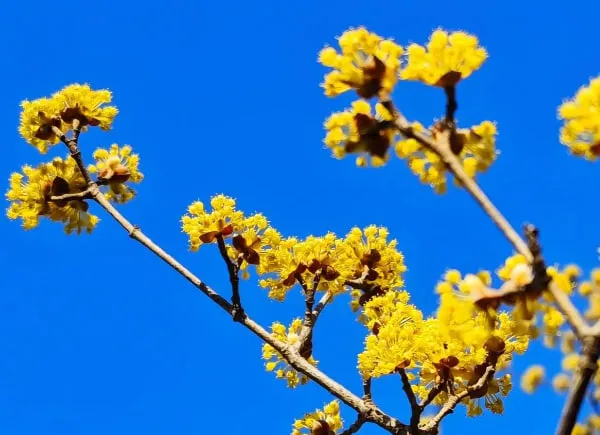
In the language of flowers, daphne carries multiple meanings. Let’s briefly explore them:
- Eternal Love and Sincerity: Many daphnes bloom in late winter or early spring. This symbolizes love enduring through harsh and cold times.
- Honesty and Innocence: Its petals are typically pure white or pale pink, appearing exceptionally clean and representing truth and virtue.
- Immortal Vitality: As an evergreen shrub, it remains alive even when surrounding plants are dormant, representing the continuity of life.
- Honor and Glory: Linked to Greek mythology, it symbolizes the reward earned through the pursuit of excellence.
Historically, people valued daphne not only for its beauty. Across many cultures, its bark and roots were used medicinally. Caution is advised, however, as this plant is highly toxic and should never be ingested. Within Eastern traditions, particularly in Japan and China, a variety called “Odoora” has been cultivated for centuries. Its fragrance often fills gardens and temples during the Lunar New Year, symbolizing auspicious beginnings.
In Europe, it became especially popular during the Victorian era. It took center stage in “secret garden” designs, where people enjoyed its fragrance from a distance. Cultivating daphne presents a challenge: it demands highly well-drained soil. Precisely because it’s difficult to grow, successfully cultivating it signifies a gardener’s skill and dedication.
Botanical Trivia.
The most distinctive feature of the daphne flower is its bloom. Its flowers are tubular, splitting into four lobes. Strictly speaking, it lacks true petals; those fragrant parts are actually sepals. Several common varieties exist:
- Coriander Daphne: Emits a strong lemon scent, with clusters of pale pink-white flowers.
- February Daphne: Also called “February Daphne,” it blooms on bare branches before leaves emerge.
- Rose Daphne: A shorter variety often planted in rock gardens.
Whether viewed through the lens of Greek tragic mythology or celebrated as spring’s herald, daphne stands as one of the most culturally significant and fragrantly precious plants in botanical history. When you next search daphne flower meaning, you’ll discover it transcends mere botanical nomenclature—it embodies a symbol of life’s attitude.
My Chat with the Neighbor.
Later, I cut some branches to give to my neighbor. Though I warned her these cuttings might be tricky to keep alive. Sitting on the porch chatting, our conversation turned to people. I said, some folks are like this flower. They might seem a bit hard to get along with, or overly particular. But once they feel comfortable and secure, they radiate so much kindness.
I no longer try to force my garden to grow the way I want. Now, I just make sure the drainage is good, keep it out of the way, and let the daphne do its thing. Three years have passed, and every winter, that scent reminds me of one thing: being true to yourself is the best way to bloom. Even if the timing seems completely off to others, it doesn’t matter.
If you wish to plant one yourself, remember: once it’s in the ground, never move it. It cherishes its spot and its space. Like the fairy in the tale, it simply wants to grow in peace. I’ve put in considerable effort for these few weeks of bloom. But honestly, standing in the cold air with that fragrance washing over my face, I feel every speck of soil under my fingernails was worth it.
Goodness, who knew waiting for a single flower to bloom could teach you so much about patience!
