
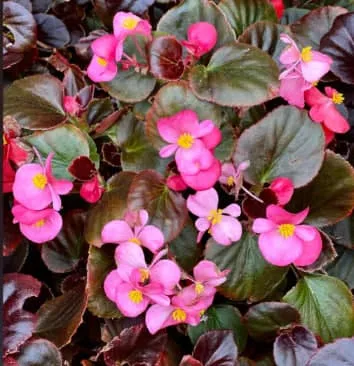
Over the weekend, I spent both days working in the backyard. My wife insisted on planting some begonia, so I joined in the effort. Before, I thought flowers were just flowers—pretty enough was all that mattered. But this time was different. As I dug the soil and looked up information, I discovered these plants had a lot to say. They’re not just decorations for the balcony; if you know what you’re doing, they truly “speak.”
Before buying flowers, it’s best to understand their origins. This helps you choose the most suitable one. Begonias are fascinating—their nature is somewhat complex. They symbolize deep gratitude while carrying a subtle warning. This duality makes them truly unique.
Begonia’s Floral Meaning: A Reminder to Stay Cautious and Vigilant
Elders often say gifting a begonia serves as a gentle reminder to “be careful.” In the language of flowers, this is a mild caution. If new circumstances arise or you encounter someone unpredictable, presenting a bouquet of begonias is fitting. It’s like saying, “Keep your guard up; don’t act impulsively.”
Many people like to place begonia near their front door. They believe it wards off bad luck and prevents unexpected troubles from entering. It acts like a silent guardian, quietly protecting the household. This sense of “protection” has earned it a place in many cultures. When it comes to begonia’s floral meaning, this “caution” is the first thing people remember.
Gratitude and Distinctiveness in Begonia’s Language
Though it carries a warning, don’t be deterred. Today, more people use it to express gratitude. Begonia leaves possess a unique shape—no two are perfectly symmetrical. This distinctiveness makes it the ideal choice to praise someone’s “uniqueness.”
If you wish to thank someone for their help or honor a mentor, giving a begonia is always a safe bet. It’s not as passionate as a rose nor as formal as a lily, but it’s sincere. It says, “I see your uniqueness, and I appreciate your kindness.” In modern life, presenting it to a host or elder shows both taste and thoughtfulness.
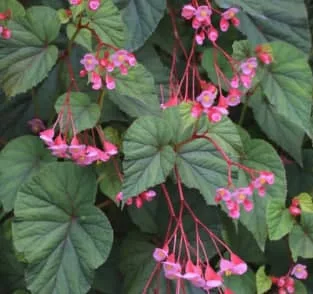
What Do Different Colors of Begonia Symbolize?
To understand the language of flowers, look to their color. Each shade represents a distinct emotion.
- Red: Symbolizes passion and romance. Red begonias are a more distinctive choice than red roses, perfect for lovers who want to stand out from the crowd.
- Pink: Symbolizes tenderness and the feeling of first love. It’s lighthearted, like a playful joke.
- Yellow or Gold: Signifies wealth and joy. This color is most auspicious for housewarmings or office openings.
- White: Represents purity and spiritual connection. Its clean essence is perfect for expressing pure respect.
Knowing these color secrets ensures you never go wrong when gifting.
Peace and Inner Balance Symbolized by Begonias
In ancient Eastern wisdom, begonias also represent inner peace. People believe cultivating these flowers sharpens the mind and fosters measured speech and actions. When emotions feel chaotic, gazing at them helps quiet the heart.
Begonias thrive in shady spots—a fascinating trait. They teach us that beauty and hope can flourish even in challenging environments. They bloom beautifully without intense sunlight. This mirrors life: even when times are tough, a positive mindset can make every day extraordinary. When we revisit the language of begonias, this wisdom of finding balance amid adversity is particularly moving.
Truths in the Soil
Sunday evening, the work was finally done. Beer bottle in hand, sweat-soaked and mud-spattered, I surveyed the rows of freshly planted begonias. The breeze rustled their leaves gently. They looked truly splendid.
In that moment, an idea struck me. Life is just like tending flowers—it demands balance. Sometimes you need to be cautious and careful, as the old saying goes; other times, you must be passionate and bold, charging forward. A tiny plant had made me ponder so many truths about work and living.
Honestly, in the adult world, having someone genuinely remind you to “be careful” is actually a pretty fortunate thing.
Next time you want to buy flowers, don’t just toss them into the soil. Think first about what you want to say. Is it to remind a friend to be cautious? Or to tell your loved one “thank you”? These things growing in the earth carry far more weight than we imagine. They’re not just plants—they’re messengers of emotion.
