
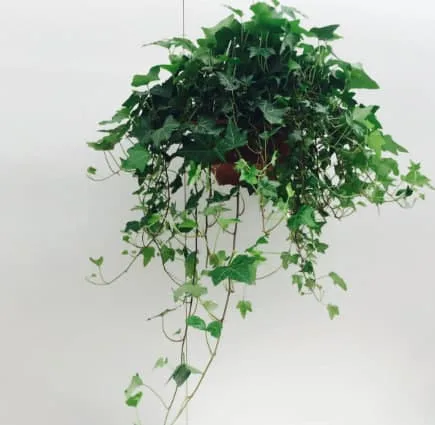
You guys are always asking me where you can find that “real thing”—the kind of thing that isn’t just pretty to look at, but also leaves a mark on your heart. A lot of people gaze at ivy and think it’s beautiful, all lush and green, hanging down like that. To be honest, I used to think that way too. I figured that if something looked perfect, there must be some deep wisdom hidden within it. Later, I realized I was way off the mark. It was a lesson I learned the hard way—after years of effort and piles of dead leaves.
Looking back three years ago, I had just moved into my new apartment. Back then, my head was filled with images from design magazines. I wanted to make my home super minimalist and super chic. So I bought a bunch of potted ivy. The leaves were perfectly shaped; hanging by the window, bathed in the afternoon sun, they looked just like a painting. I spent hours every day pruning them. I had to make sure every stem hung just right—not a single leaf could grow out of place. Back then, I only cared about how it looked; I didn’t give a thought to whether they were struggling to survive.
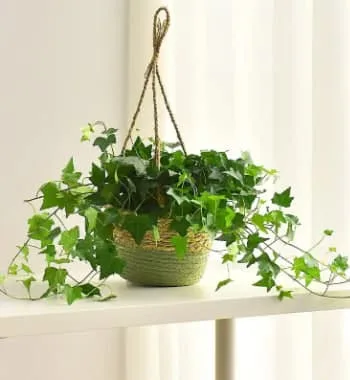
Actually, ivy isn’t just some green foliage for decorating corners. It harbors many ancient stories. Before you bring it home, you’d better listen to these old rules first.
The Cultural Origins of Ivy’s Symbolism: Symbols of Ancient Greece and Rome
Let’s rewind a few thousand years. In Greek and Roman mythology, ivy was a major star. It was inseparable from Dionysus, the god of revelry, wine, and joy. Because of this connection, ivy has long been imbued with its own temperament and character.
- Loyalty and Eternity: Look at how it stays green all year round, never shedding its leaves even in winter. Ancient people believed this symbolized unchanging love, lasting friendships, and the continuity of life.
- Protection and Healing: In the past, people would wear wreaths made of ivy when drinking to avoid getting drunk. They believed it could ward off the harmful effects of alcohol, acting like a talisman to keep them safe.
- Gentle Feminine Strength: Although it is associated with the god of wine, it also represents the gentle, delicate, and even somewhat elusive strength found within a woman’s heart.
The Language of Ivy in the Victorian Era: Love, Loyalty, and Dependence
In the Victorian era, people were too shy to say “I love you” or “I miss you” directly. Instead, they relied on flowers to convey their messages. The language of ivy during this period became particularly meaningful, focusing entirely on the bonds between people.
- Marriage and Friendship: Ivy wraps itself around objects with remarkable tenacity. Giving it to someone signifies, “I hold you tight and will never let go.” It symbolizes an unbreakable marriage or a rock-solid friendship.
- Dependence and Support: It represents an unshakable attachment. If you receive a bouquet of ivy, it means the sender is your strongest pillar of support and will always be there for you.
How Modern People Interpret the Symbolism of Ivy
Nowadays, when people buy flowers, they look for practicality as well as the stories behind them. After all, life is lived, not just imagined. Modern people view ivy with a bit more caution, which adds a layer of practical weight to the language of ivy.
- Caution: Toxic: This must be mentioned. English ivy is poisonous throughout its entire plant. If you have children or pets at home, you must be extremely careful. Don’t let them accidentally ingest it—it can cause serious trouble.
- Being Too Clingy Isn’t Good Either: Sometimes, ivy grows so wildly that it chokes out other plants. That’s why some people now see it as a symbol of suffocating possessiveness. This isn’t a good thing—excessive dependence can actually be harmful.
Ultimately, buying ivy is like buying a promise. It represents eternity, loyalty, and that unyielding resilience. These time-honored traditions remain relevant to this day.
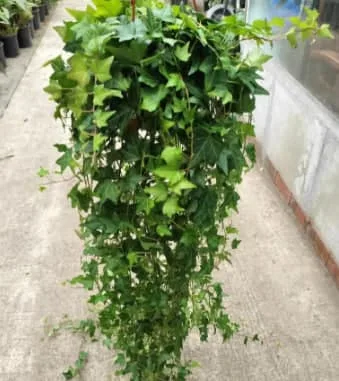
From Decorative Plant to Metaphor for Life: The True Meaning of Ivy
Remember my ivy plant? For the first few months, it grew at a snail’s pace and looked a bit ugly. The new leaves were tiny, and some were misshapen. But I didn’t throw it away. I stopped treating it as a mere ornament and began caring for it as a living being. I started researching how to water it and how to help it take root.
One morning, I suddenly noticed a small detail. A tiny aerial root—that sticky little claw—was clinging desperately to the wooden frame. My heart skipped a beat in that moment. I realized that true loyalty isn’t about how green or shiny something looks, but about this invisible, desperate drive to hold on. This effort is a bit messy, even a bit disheveled, but it’s real.
Do you want to know the true meaning behind the ivy? It’s not in those glossy, vibrant leaves. When you stop thinking only about how to arrange it for a pretty display, and instead are willing to get your hands dirty to touch its roots and feel its growth, then you’ll understand. Beauty isn’t a finished product; it’s a process. It’s a process of holding on tight, even when it’s chaotic and difficult.
After all these years of tending to flowers, watching them wither and then bloom anew, I’ve come to realize something profound: the most moving power is often hidden in those unassuming acts of perseverance.
