
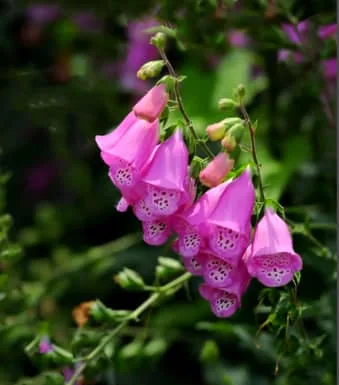
This weekend, I barely got any rest. I was completely immersed in the soil of my backyard. My hands were busy with foxglove seedlings I’d picked up at the local plant exchange center. My hands were covered in mud, and dirt was packed into every crevice of my fingernails. To be honest, when I first got these seedlings, I wasn’t entirely sure about them. I just thought they looked pretty unique. Their tall stems resembled spires, with blossoms hanging like tiny bells. They looked so cool, I just had to plant them.
But as I dug my spade into the soil to give them a home, a thought suddenly popped into my head: What do these different colors actually mean? Back when I sold flowers in the shop, customers always asked about this. Now that I’m growing them myself, I’m curious too. I dug through some old books and asked veteran gardeners. Turns out, these pretty little bells hold quite a few weighty stories.
Foxglove, scientifically known as Digitalis purpurea. The name alone sounds serious. It’s indeed famous—both medicinal and toxic. This contradictory nature makes its symbolism complex. Some believe it offers protection, while others see it as a symbol of vanity. But the most intriguing aspect lies in how its color influences interpretation.
Purple and Pink: A Play of Magic and Confidence
Purple is foxglove’s most iconic hue. Strolling through a forest and encountering a patch of purple foxgloves always feels mystical. Elders often call them “fairy thimbles.” Legend has it that little elves used them as hats or thimbles. This tale casts a spiritual veil over the purple hue.
- Ambition: Those tall, upward-reaching flower spikes resemble a person’s desire to climb higher. They symbolize the yearning for success and the drive for personal growth.
- Confidence: Pink foxgloves carry a lighter, less serious tone. They appear more lively. Pink often blends playfulness with self-assurance. Gifting a bouquet of pink foxgloves is like saying, “Believe in yourself—you’re amazing.”
I’ve seen many purple-loving customers in my shop. They tend to be thoughtful souls who enjoy pondering things. Those who choose pink are often cheerful personalities with infectious laughter.
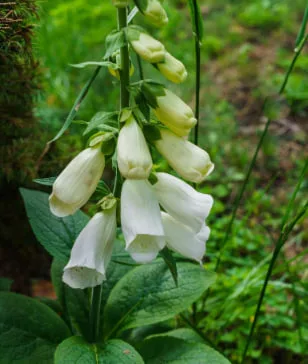
White: Pure Longing Under Moonlight.
White foxgloves are special. In the evening or moonlight, they seem to glow with their own light. That’s why many people love planting them in “moon gardens.” Opening the window at night reveals a soft, white radiance.
- Purity: White always evokes cleanliness and sacredness. It symbolizes new beginnings, free from any impurities.
- Remembrance: In some places, white foxgloves are used to remember departed loved ones. The feeling isn’t sorrow, but a peaceful serenity. It’s as if the departed are right beside you, watching quietly.
Once, an elderly lady came to the shop to buy white flowers. She said she wanted to plant them in the corner her late husband loved most. In that moment, I understood that the meaning of flowers isn’t just words in books, but a place for the heart to rest.
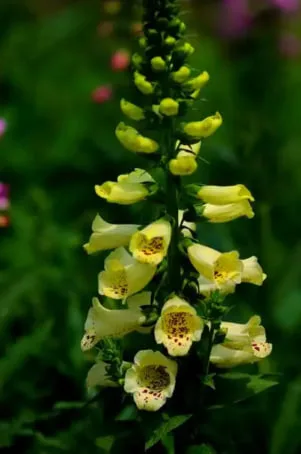
Yellow and Cream: Sunshine Shining into the Heart.
Yellow foxgloves are rarely seen in the wild. Yet in gardens, they’re growing increasingly popular. Their bright yellow blooms radiate a luminous quality, as if sunlight were stored within their petals.
- Optimism: This vibrant hue embodies a positive spirit. It represents someone who never bows to adversity, always finding a way to overcome challenges.
- Intellectual Growth: Yellow also connects to the mind. It stimulates thought and sparks a desire to learn new things. If you have children studying at home, planting yellow flowers might be a good omen.
Every time I see yellow foxgloves, my mood lifts. Unlike the deep intensity of purple, they embody pure, simple joy.
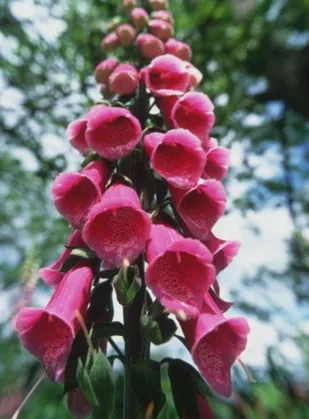
Red: Passionate Love on the Edge of Danger.
Deep red or purplish-red foxgloves carry a different aura. They radiate intensity. Remember, foxglove itself is a contradictory plant—capable of being both life-saving medicine and deadly poison. The red blooms embody this “love and danger” duality to its extreme.
- Intensity: Red signifies profound emotion. This isn’t faint affection but searing passion.
- Protection: Long ago, people planted red foxgloves at their doorsteps. They believed this would ward off bad luck and evil forces.
Speaking of which, we must mention the color symbolism of foxglove flowers. You see, the same plant tells a completely different story when it changes color. Sometimes I feel flowers speak louder than people. Without uttering a word, their colors alone can convey whether they’re offering blessings or warning you to be cautious.
A Gardener’s Heartfelt Words.
After hours of toil, sweat trickled down my cheeks. I even cursed at those stubborn old tree roots in the ground. Finally, I paused and stepped back to admire my creation.
The sight before me left me speechless. A cluster of colorful “little bells” huddled together, swaying gently in the breeze. The entire atmosphere of the yard had transformed. Just moments ago, I felt utterly exhausted, but now it all felt worth it.
Truthfully, who cares if it’s “mysterious,” “dangerous,” or “elegant”? The real meaning might just be that when the wind blows, they look absolutely stunning. I wiped the mud off my boots, grabbed a cold beer from the fridge, and sat down in a chair. I watched the bees busily darting into the purple flower tubes.
My back ached a little, my shoulders felt stiff, but my heart felt incredibly at peace.
If you’re thinking of planting something, don’t overthink all the complex meanings. Just pick a color that makes you happy. Even if it’s just waking up on a Tuesday morning, glancing out the window, and thinking, “Hmm, today feels good”—that’s enough.
After all these years of gardening, my biggest realization is this: Life doesn’t need grand philosophies. As long as a single flower can make you pause and smile, that’s enough.
