
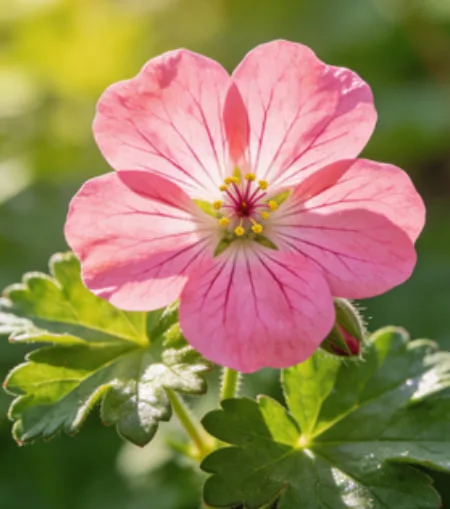
Last weekend, I spent the entire day immersed in the backyard. Shovel in hand, I dug hole after hole, my hands caked in dark, rich soil. Neighbors passing by chuckled at me, knowing I’d finally grasped why everyone loves growing these flowers so much. Before, I always thought geraniums were those old-fashioned plants only grandmas would put on their windowsills—not cool at all. But after accidentally killing a few pots and then painstakingly reviving a few more, my perspective completely changed. These little flowers aren’t just pretty; they hold many fascinating stories.
Many people might not know that the meaning behind geranium flowers is actually quite rich. It’s not just an ordinary ornamental plant; people have treasured it for ages. Whether in gardens or ancient legends, it holds a special place. Generally, it symbolizes happiness, health, and the bonds of friendship. But if you look closely, different colors carry slightly different meanings. Understanding these little details makes gift-giving or decorating your own little garden feel more thoughtful.
Why is it so special?
Looking back through history, geraniums have long been associated with “protection” and “good fortune.” In many countries’ old customs, people loved placing potted geraniums at their front doors. They believed this would chase away bad moods, fill their homes with good luck, and make their lives prosperous. This flower appears resilient, thriving through wind and sun, yet its blooms are delicate and beautiful. Thus, it also symbolizes a person who is both steadfast and graceful.
At this point, I can’t help but marvel: I honestly didn’t expect a simple garden plant to carry so many layered meanings.
Different Colors, Different Meanings
When selecting flowers, color is the most crucial clue. In flower symbolism, color often changes the message completely.
- Red Geraniums: The most common variety, primarily symbolizing protection and health. In ancient Europe, people would gift red flowers to ailing friends, wishing them swift recovery. It also represents strength, evoking a sense of vitality.
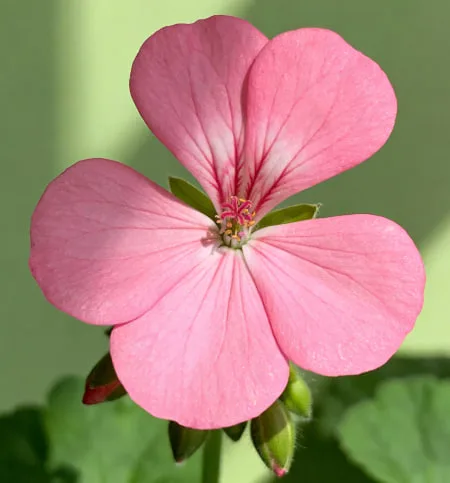
- Pink Geranium: Pink invariably evokes romance and elegance. If you wish to hint at budding affection or express gratitude to a gentle friend, pink blooms are ideal. Its tone is far softer than red’s, emphasizing tenderness and beauty.
- White Geranium: White typically symbolizes purity and innocence. Elderly people believe white flowers can repel pests and even snakes, symbolizing a clean, safe space. Thus, they often appear at weddings or serene spiritual venues.
- Purple or Blue Geraniums: These hues exude nobility. They represent dignity and thoughtfulness. If you deeply respect someone or wish to celebrate a professional achievement, this color is exceptionally appropriate.
- Fragrant Geraniums: Beyond color, scent adds depth. Leaf aromas infuse new meanings—lemon-scented blooms signify “unexpected encounters,” while rose-scented ones convey special affection and charm.
Understanding the meaning of geraniums helps you choose the right plant when expressing emotions. Whether conveying protective energy or pure intentions, there’s always a variety suited to your purpose.
The Other Side in Ancient Legends
Things aren’t always so perfect. While researching floral symbolism, I discovered some peculiarities. Though modern interpretations favor its positive connotations, in some ancient traditions, geraniums were occasionally used to signify “foolishness” or “confusion.”
Sounds a bit funny, right? In certain ancient cultural contexts, gifting someone a geranium might not be a compliment but a subtle jab—calling them a fool or urging them to lighten up. I was surprised when I first heard this. But then I thought, it actually fits me pretty well. After all, half the time in my garden, I have no idea what I’m doing and end up fumbling around.
But I don’t mind that. I genuinely love rubbing their leaves. Some release a lemony scent when crushed, refreshing and invigorating; others smell like roses or mint, filling the air with fragrance. They’re like natural air fresheners that don’t need batteries, always ready to lift your spirits. Today, most people simply see geraniums as symbols of warmth, comfort, and everyday affection. People prefer to remember the fragrance and beauty they bring, rather than those old jokes.
