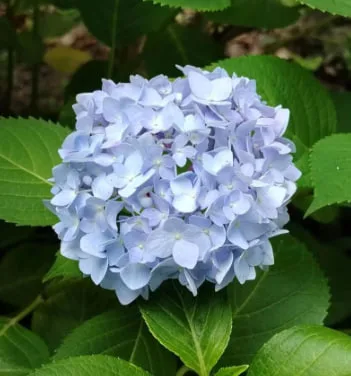
Last weekend, I spent almost all my time in the backyard. I dug numerous holes in the ground because I finally decided to buy some hydrangeas to plant. Many people see these flowers and their first reaction is: “Wow, they look like a big ball of cotton candy!” Indeed, they appear soft, round, and utterly adorable. But when you actually get your hands dirty planting them and learn their story, you discover these flowers aren’t just pretty—they “speak.”
I used to think flowers were just flowers, meant to decorate gardens or give as gifts. But after digging deeper this time, my view of gardens has completely changed. Each flower seems to have its own personality and mood.
Ancient Tales Behind the Blooms.
Hydrangeas are profoundly symbolic flowers. Their name originates from the Greek word meaning “water-bearer,” reflecting their thirst for water and seed pods shaped like tiny cups. Beyond this intriguing etymology, they carry deep historical significance.
In Japan, a touching legend tells of an emperor long ago who sent bouquets of these flowers to the family of a beloved maiden as an apology. Since then, they’ve symbolized “sincere apology” and “deep gratitude.”
In the West, perspectives differ somewhat. Because the hydrangea blooms large and lavishly, some see it as a symbol of “wealth” and “generosity.” Yet others note that despite its profusion of flowers, it rarely produces seeds, leading it to sometimes represent ‘boasting’ or “vanity.” See how the same flower can hold such vastly different meanings to different people!
Different Colors, Different Moods.
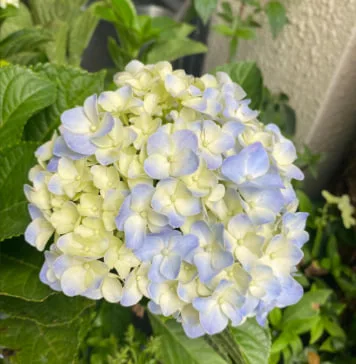
Most fascinatingly, hydrangea symbolism shifts with color. Crucially, the flower’s hue isn’t innate—it’s determined by soil pH. Acidic soil turns blooms blue, while alkaline soil yields pink flowers. Much like human moods, color transforms based on environment.
- Blue: Giving blue hydrangeas typically conveys “I’m sorry.” It symbolizes regret, a plea for forgiveness, while also evoking a sense of calm and tranquility.
- Pink: This is the color of love. It represents sincere affection and romantic sentiment. Many brides choose it for bouquets because it signifies true love.
- White: White appears pristine, representing purity and elegance. However, in some old tales, it’s occasionally linked to “showing off.” Mostly, though, white signifies new beginnings and hope.
- Purple: Purple always feels noble. It represents the desire to be deeply understood and also symbolizes wealth. Purple flowers make a very appropriate gift for a fourth wedding anniversary.
Perspectives Around the World.
Different cultures hold varying sentiments toward this flower. In Japan, where it blooms abundantly during the rainy season, it represents “unity”—people gathering together to weather storms. In Western countries, it’s often used to express gratitude for care and understanding.
Some who believe in feng shui think placing these flowers in the home can lift spirits and create a serene atmosphere. Whether you’re seeking forgiveness, expressing gratitude, or celebrating a lasting friendship, these flowers make an excellent messenger.
Ah well, at the end of the day, I’m just an ordinary person with a sore back, staring blankly at a yard full of colorful shrubs.
But whenever neighbors pass by and point at my yard, saying, “Your garden is beautiful,” all that sweat and digging feels worth it. These plants aren’t just decorations—they’re like a giant “Thank You” note plastered on my front door, telling every passerby: This place is filled with kindness and love.
If you have a patch of soil and a little patience, I truly recommend giving gardening a try. Just remember to buy plenty of mulch to protect the soil and keep your hose handy for watering. Watching them grow day by day, blooming in all their colorful splendor, will make your life feel richer and more vibrant.
