
I spent the entire morning working in the backyard today. The sun was scorching, making my head spin, and my back ached terribly.
Still, seeing the dozen new seedlings lined up along the stone path felt oddly rewarding, like the garden was finally starting to take shape.
As I watered the tiny white buds and pressed down the surrounding soil, a thought suddenly popped into my head: Why do people love these seemingly unremarkable little flowers so much?
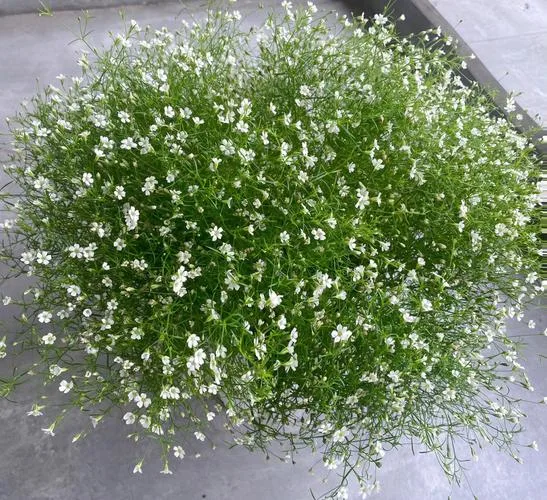
They look like tiny clouds caught in a web of green stems—soft, fragile, almost floating.
Many see them merely as “supporting actors” thrown into bouquets by florists to fill space and make large arrangements appear fuller.
But that description never felt quite right to me.
The more I learned about baby’s breath, the more I realized how much symbolism people quietly attach to these little blooms.
This flower, scientifically named Gypsophila, is one of the most renowned members of the floral world. Though often forced into the role of “filler,” those delicate clusters of tiny white blossoms actually carry profound meanings that transcend cultures and time.
They are not merely beautiful; they speak for people.
Everlasting Affection.
At its core, baby’s breath is often associated with long-lasting love.
This love encompasses not only the sweetness between lovers but also the unbreakable bonds of family and lifelong friendships.
In the language of flowers, it symbolizes a promise—a bond that never fades with time.
That’s one reason it shows up in wedding bouquets everywhere.
In a wedding bouquet, it quietly suggests a relationship meant to last.
A Pure and Sincere Heart.
These cloud-like white blossoms also symbolize purity, innocence, and sincerity. Their pristine, unblemished appearance makes them perfect for celebrating new life or adorning infant christening ceremonies. Presenting such a bouquet is like saying, “My heart is pure, and my feelings for you are genuine.” This conveys a beautiful wish: that the recipient may forever preserve that pure and kind heart.
Spiritual Connection and New Beginnings.
On a spiritual level, baby’s breath flower meaning also symbolizes sacred connections.
Some people even see its delicate look as a symbol of something beyond the everyday world.
Often paired with roses, it transforms into a steadfast force, signifying life entering a new chapter. For many, it simply represents starting fresh.
Whispers of Different Colors.
While white baby’s breath is most common, other colors carry their own unique meanings:
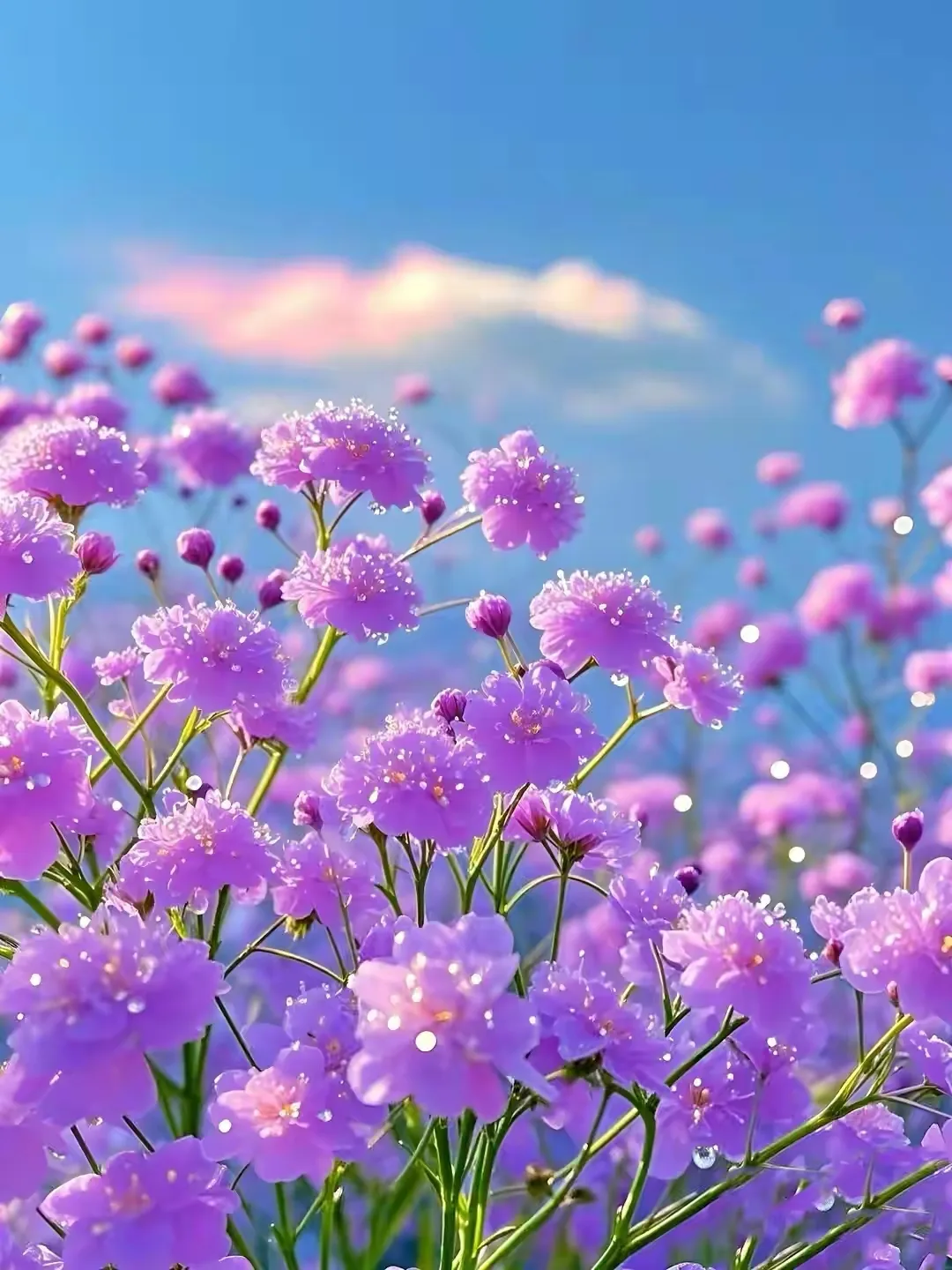
- Pink: Often linked with gentle affection and is sometimes used for baby celebrations.
- Yellow: Commonly associated with cheerful, lighthearted emotions.
- Blue: Sometimes interpreted as a symbol of calmness or trust.
- Purple: Often connected with uniqueness or a sense of elegance.
The Power of Discipline and Perseverance.
Beyond symbolism, I like to think of it as a reminder that small things can still matter. In floral art, baby’s breath serves as a balancing and supporting element. It reminds us to stay true to our goals and maintain inner strength, no matter how complex life becomes. Even something small can change the way a bouquet—or a moment—feels.
Ah, sometimes the simplest things touch us the most, don’t they?
What I cherish most about this flower is its resilience in real life. You might not know that even when dried, these blooms retain their beauty for months. A dried bouquet from last autumn still hangs upside down on the beam of my tool shed. Every time I glance up at them, I’m reminded: some beauty can truly endure. To me, it feels less like a symbol and more like a quiet reminder that some things really do last.
This offers a small insight: you don’t need to be the largest, brightest, or loudest flower in the garden. As long as you remain consistent and true to yourself, even in small ways, you can hold lasting significance. It’s funny how the smallest details in a garden can stick with you the longest. Next time you see these tiny white specks in a bouquet, don’t overlook them. Try to sense that quiet yet powerful strength.
