
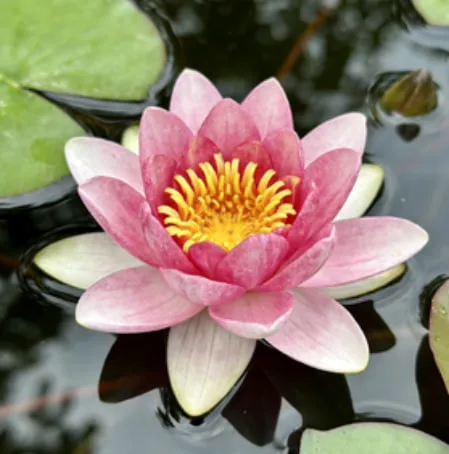
Have you ever seen lotus flowers at a funeral? They sit there quietly, as if they’re meant for more than just decoration. So what exactly do they represent?
Let’s look at it in a simple and clear way.
The “Pure” Flower Rising from Filth
What’s most remarkable about the lotus? It grows in filthy, stinking mud, yet its blossoms emerge flawlessly white, untouched by any impurity.
This is often seen as a metaphor for the human spirit. It’s like a person who, though living in this complex world, keeps their heart pure and untainted. So, placing lotus flowers at funerals conveys: This person has passed, but their soul remains pure, untouched by the world’s impurities.
It’s a quiet and comforting thought.
The “Life” That Sleeps at Night and Wakes in the Morning
The lotus has another remarkable habit. When the sun sets, it closes its petals at night, then opens again with the morning light. Come morning, as the sun rises, it reopens, vibrant and full of life.
See how this mirrors the cycle of life? The body may die (the flower closes), but life itself never truly ends (it blooms again the next day). Thus, the lotus also symbolizes rebirth and hope.
How profoundly meaningful this is for those grieving loved ones! It seems to whisper: “Don’t grieve too deeply—he/she simply exists in a different form.” For many people, this symbolism offers real comfort.
How Different Cultures Interpret This Flower
Lotus flowers hold significance across many cultures worldwide, though their meanings vary slightly.
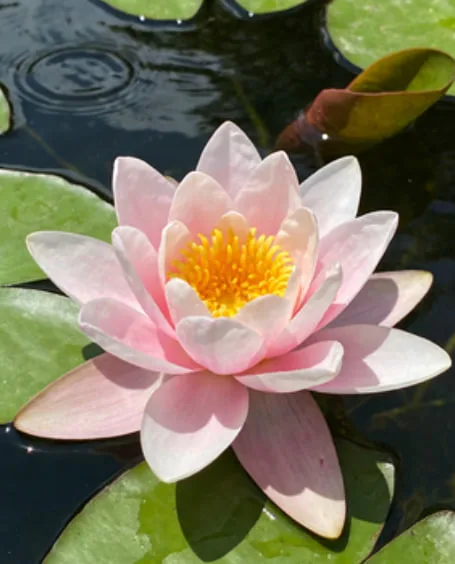
- In Buddhism, the lotus symbolizes “enlightenment.” White lotuses represent the purest spiritual state, while pink ones evoke the Buddha himself. Placing one beside the deceased is a blessing for their journey to a better place—like Nirvana, a perfect state free from suffering.
- In Ancient Egypt, the blue lotus was most revered. They believed the sun god Ra rose daily from a lotus flower. Thus, the lotus embodied the god of resurrection, promising eternal life. Its image frequently graced tomb murals.
Across these traditions, the lotus repeatedly appears as a symbol of transition rather than finality.
Why is this so important for the living?
Understanding the lotus’s meaning reveals why it’s used in funerals.
First, it offers comfort to the heart. Grief is a universal part of losing someone we care about. Yet seeing the lotus and contemplating “rebirth” can lift the weight in one’s heart.
Second, it shows the greatest respect for the departed. Using the sacred flower from their faith to bid farewell demonstrates our understanding and reverence for their lifelong pursuits and beliefs.
Finally, it imbues the entire funeral ceremony with deeper meaning. It transforms the occasion from a mere sorrowful farewell into a hopeful send-off, giving the ceremony a sense of spiritual meaning beyond loss.
A Personal Reflection
I used to think funeral flowers were merely decorative, a token of mourning. But upon reflection, I discovered that a single small lotus flower holds profound wisdom.
Its core message is simple yet powerful: even in the darkest, dirtiest environment, the purest, most beautiful flower can bloom.
Isn’t this the very state we all strive to achieve?
So the next time you see a lotus at a funeral, don’t just dismiss it as decoration. Pause to observe it, to reflect on it. It stands as a testament for the departed—and for all of us—telling a story of transcendence, hope, and peace.
It’s remarkable how one flower can carry so much meaning across different cultures and traditions.
Recommended reading: Lotus Flower Meaning: Growth, Purity, and the Power of Rising Above Life’s Struggles
