
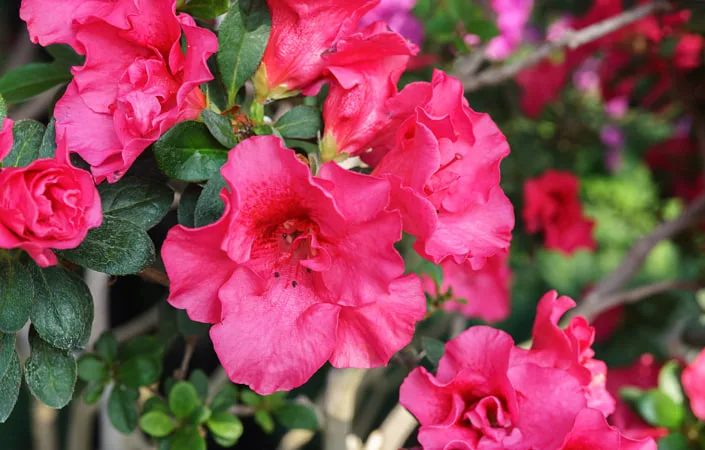
Last weekend, I was practically at war with my houseplants. I was running around the yard and living room, all for those beautiful blooms mentioned in azalea symbolism. To be honest, before this, I always thought they were just ordinary shrubs—pretty to look at, but nothing special. It wasn’t until I really started researching how to care for them that I realized if you don’t put in the effort, those lovely leaves quickly turn into dry, brown branches.
It was a rainy Saturday when I decided to visit the local nursery. The moment I stepped inside, I was surrounded by a sea of pink and red. I got so excited I walked out with three large pots without even checking the labels. Looking back, that was my first big mistake. But it was also this experience that truly drew me into the world of azaleas.
People often call azaleas “the royalty of the garden,” a name that sounds noble, but their story is actually quite down-to-earth. These vibrant blooms aren’t just for decorating the seasons; they carry years of history and emotion. If you take the time to read the language of azaleas, you’ll discover each flower is whispering a secret.

Knowing when to hold back is a form of wisdom.
In the Victorian era long ago, presenting someone with a bouquet of azaleas was actually a compliment, signifying that the recipient possessed “good measure.” People back then highly valued self-control and disliked dramatic emotional swings. Thus, azaleas came to represent a down-to-earth character. If you have a friend who is steady and never impulsive, giving them azaleas is the most thoughtful choice. This is far more subtle and meaningful than simply saying, “You’re so calm.”
When you miss home, look at the azaleas.
In Eastern countries like China and Japan, azaleas have another special name: “the flower of homesickness.” For those who’ve left their hometowns to pursue their dreams elsewhere, this flower represents a longing for their roots and a yearning for the warmth of home. If a friend has recently moved to a new city or is navigating major life changes, gifting them a rhododendron is like whispering: “Don’t forget home—it will always be here.” This hidden message transforms a simple gesture into something profoundly meaningful.
Beauty may be fleeting, but it’s worth cherishing.
Rhododendron petals are delicate, and their blooming period is brief. Precisely because of this, they teach us a lesson: beautiful things often cannot be held onto. This is somewhat akin to the Japanese concept of “mono no aware,” meaning we should appreciate the beauty of the present moment because everything eventually passes. Gazing at blooming azaleas, we can’t help but sigh: “Such beautiful flowers—why can’t they bloom just a few days longer?” This fleeting splendor, paradoxically, makes us appreciate every moment before us all the more.
The Power of Gentleness.
From soft pinks to deep reds, azaleas boast a rich spectrum of hues. Their soft texture lends them an air of elegance. In the floral world, they symbolize feminine gentleness and inner beauty. Often, people gift azaleas to women to express admiration for their graceful demeanor and inner strength. This isn’t superficial praise but a profound acknowledgment.
A Prosperous Omen.
Have you noticed how azaleas often bloom in dense clusters, so thick that leaves become nearly invisible? This sight radiates vibrant vitality. In many traditional customs, people believe planting azaleas at home or in gardens attracts wealth and good fortune. They symbolize prosperity and the arrival of new opportunities. Imagine the feeling of abundance when an entire tree bursts into bloom simultaneously—it genuinely lifts the spirits and makes life feel more promising.
A subtle warning behind the beauty.
However, caution is warranted. Though stunning, every part of the azalea is poisonous and must never be ingested. In ancient times, presenting azaleas in a black vase was even interpreted as a dangerous warning. While this practice has faded, this historical anecdote reminds us that beauty can sometimes conceal sharp edges. As we appreciate the lovely symbolism of the rhododendron’s floral language, let’s also remember to stay vigilant, taking care of ourselves and our loved ones—especially when children or pets are present.
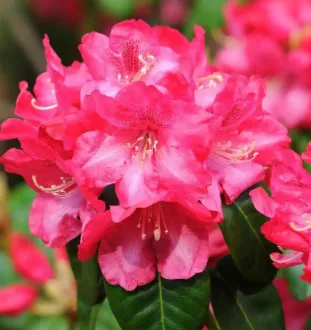
Whispers of Different Colors
Different azalea colors convey distinct messages:
- Red Azaleas: Symbolize passionate love and romantic interest, perfect for lovers.
- White Azaleas: Represent purity and innocence, evoking a clean, fresh feeling.
- Pink Azaleas: Convey joy and friendship, making them the ideal gift for close friends.
- Purple Azaleas: Carry an air of mystery and nobility, like a royal color.
Cultivating Flowers Cultivates Your Mood.
After a weekend of fussing over them, I finally grasped one thing: growing azaleas isn’t about their lovely name, but the atmosphere they bring to the home. They represent prosperity while reminding us to cherish fragile beauty.
Gardening is indeed exhausting. You prune dead branches, water on schedule, and fret over sunlight. Right now, I’m staring at that lone surviving azalea in the corner. Though it demands constant care, I find it all worthwhile just to add a splash of color to this dull space. If you’re tempted to try, be prepared to get your hands dirty—and definitely invest in a spray bottle for regular misting. While it’s no small task, it’s infinitely better than filling your home with fake plastic blooms. After all, the authentic vitality and beauty that demand your effort are what life truly feels like.
