
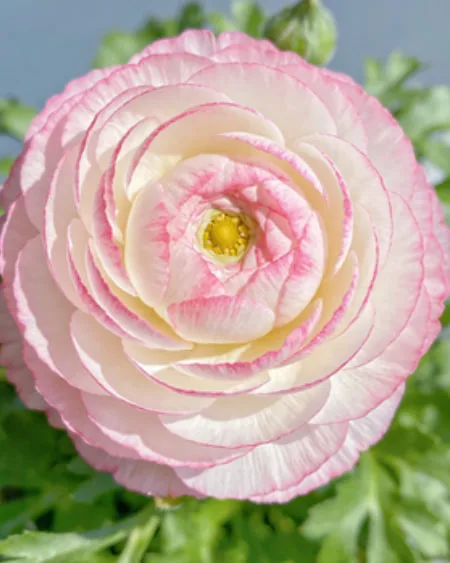
Last week, my cousin bombarded me daily with blurry photos about wedding flowers. She wanted something “like roses yet peonies, but more ethereal.” I thought, “That’s ranunculus!” So I dashed to the flower market and came back with a huge bunch.
Honestly these things go all floppy the second you pick them up — hollow stems, super annoying to handle.
But throw them in a vase anyway?
Boom. Instant class.
Sipping coffee beside them, I couldn’t help but wonder: What secrets lie behind such beauty?
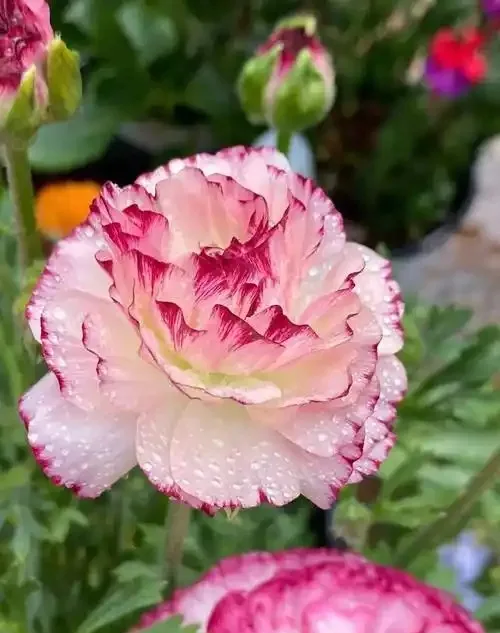
This flower is truly “very popular.”
Don’t let the awkward name fool you—its meaning is straightforward: popularity. In Victorian flower language, giving someone a bouquet of ranunculus meant declaring, “You’re utterly captivating, and I’m completely enchanted by you!” . This “radiant charm” made it the perfect choice for expressing admiration and affection.
Beyond “popular,” buttercups also symbolize nobility and elegance. Consider its delicate, layered petals—thin as a cicada’s wing—blooming from an unassuming tuber.
Kinda feels like that friend who stays low-key for ages… then bam, shows up and steals the whole room. Hidden gem vibes, right?
Different Colors, Different Whispers.
The meaning of buttercups also performs magic through color.
- Pink: Gentle like first love, perfect for expressing budding affection.
- Red: Blazing passion—a more subtle declaration than roses.
- Yellow: Instantly lifts your mood, brimming with joy and positivity.
- White: Pure and elegant, no wonder it’s a wedding favorite.
- Orange: Bursting with vitality and creativity, radiating warmth.
So yeah, went with white + pale pink for her. Safe, pretty, gets the charm thing across without trying too hard.
Heard they can hang on 7–10 days if you’re nice to them. Fingers crossed they don’t die on us mid-ceremony.
Why Do People Love It?
It’s not only the flower-language stuff people go crazy for.
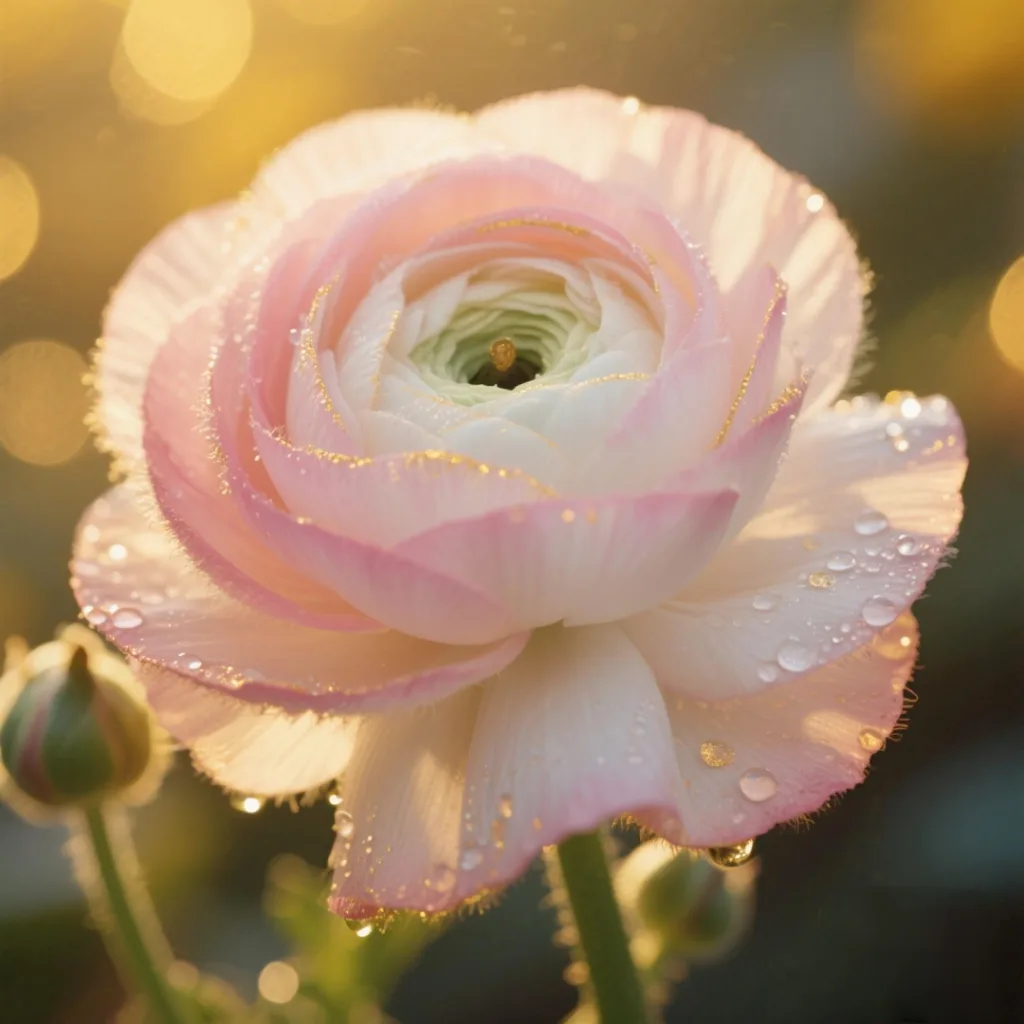
Those layers and layers of petals? They just… make the whole space feel softer. Romantic in this quiet, no-effort way.
That visual richness is something few other flowers can match. And while it’s delicate, keeping it in a cool spot and changing the water often will keep it blooming for a long time. When it appears in spring, it signals winter’s end—that seasonal exclusivity is truly heart-fluttering.
What strikes me most is this thought: I keep thinking… damn, anything really gorgeous usually asks for some babysitting, huh? I’m planning to plant a few in my backyard next year. I hear they’re quite particular about soil and the bulbs aren’t the easiest to keep alive. But for the chance to see that “radiant charm” every day, why not give it a try?
Anyway, next time you see ranunculus staring back at you in the shop, maybe you’ll think of someone who quietly makes everything around them prettier. Or not. Up to you.
Next time you spot one, perhaps you’ll recall that person who made you feel “radiantly beautiful.”
