
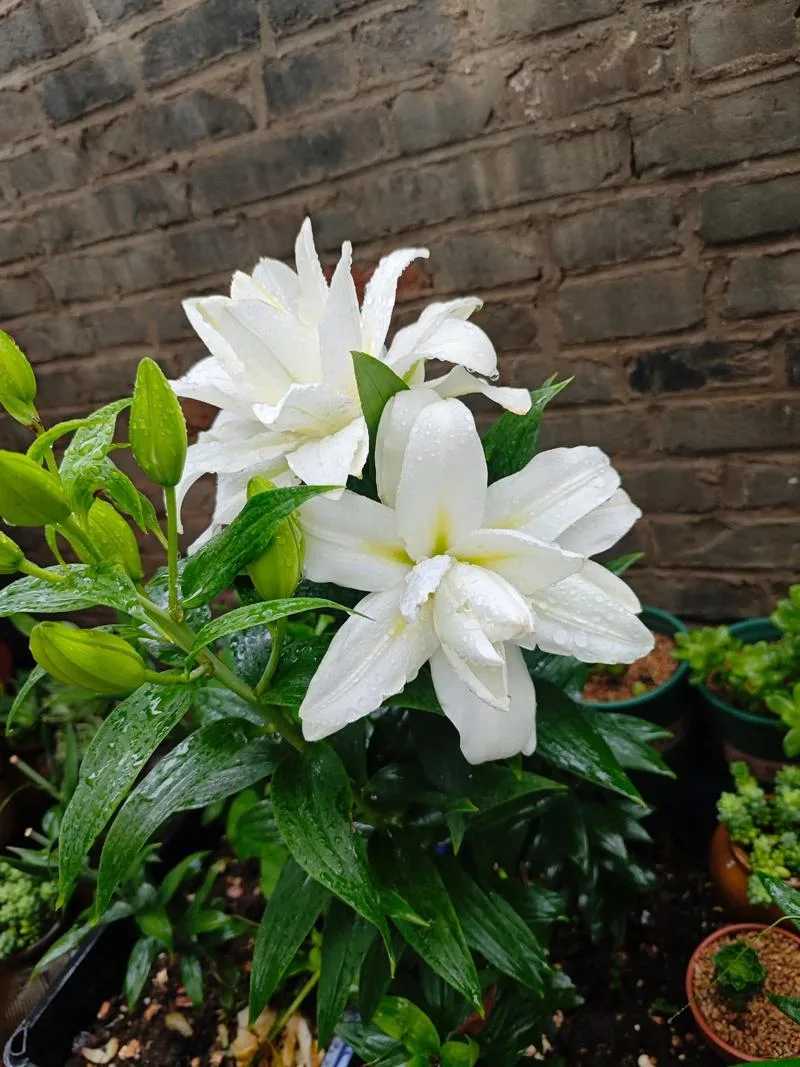
Have you ever considered that the same flower can hold completely different meanings to different people? I particularly enjoy pondering such things. The other day at the market, I spotted a beautiful bouquet of lilies and suddenly wondered: In China, this flower symbolizes good fortune—but what about elsewhere? Is it the same?
This little question unexpectedly led to a whole host of fascinating stories.
The “Flower of Purity” in Western Eyes.
Let’s start with the West. Over there, lilies—especially the pure white ones—have deep religious connections.
Why white? Because of their pristine purity. In Christianity, white lilies are seen as the embodiment of the Virgin Mary, symbolizing her innocence and goodness. Look at ancient paintings—when angels announce the Annunciation to Mary, they often hold a white lily.
Then why are lilies used at funerals? Sounds contradictory, right? Not really. Lilies at funerals, especially star lilies, symbolize the hope that the departed soul may return to its original state of flawless purity. Here, life and death are connected through the concept of “purity.”
Did French kings also love lilies? Absolutely! The famous “Fleur-de-lis” emblem is actually a stylized lily. It once served as the symbol of the French monarchy, representing perfection, light, and nobility.
Ancient Greece and Rome: Flowers Born from Mythology.
Looking further back, the people of ancient Greece and Rome held different beliefs.
They associated lilies with “motherhood.” Legend holds that when the goddess Hera (Juno in Roman mythology) nursed the mighty Hercules, spilled milk fell to the earth and blossomed into white lilies. Thus, lilies symbolized maternal love and new life in their hearts.
The Romans were also practical. They placed lilies not only in temples and cemeteries but also wove them into wreaths for brides to wear, blessing them with a future life of purity and abundant blessings.
The Eastern World: Seeking Auspiciousness, Hoping for Longevity.
In Asia, the lily’s “role” changed. Here, people placed less emphasis on the religious connotation of “purity” and valued tangible good fortune and happiness more.
In China, lilies are a staple at weddings. Why? Because its name “百合” (bǎihé) sounds like ‘百年好合’ (bǎinián hǎohé), meaning “a hundred years of harmony.” People believe gifting lilies to newlyweds blesses them with a century of love and family harmony. See how down-to-earth that wish is!
And in Japan? Japan is one of the lily’s key native habitats. Beyond appreciating its beauty, the Japanese associate it with feminine grace. Some interpretations even suggest the lily’s upright posture echoes a certain nobility found in the samurai spirit.
The “Flower Language Code” of the Victorian Era.
The most fascinating period was 19th-century Europe. People back then were quite reserved in speech and preferred to convey their feelings through flowers—a practice known as “flower language.”
- White Lily: Symbolizes humility and purity.
- Tiger Lily (the spotted orange variety): Represents wealth and pride.
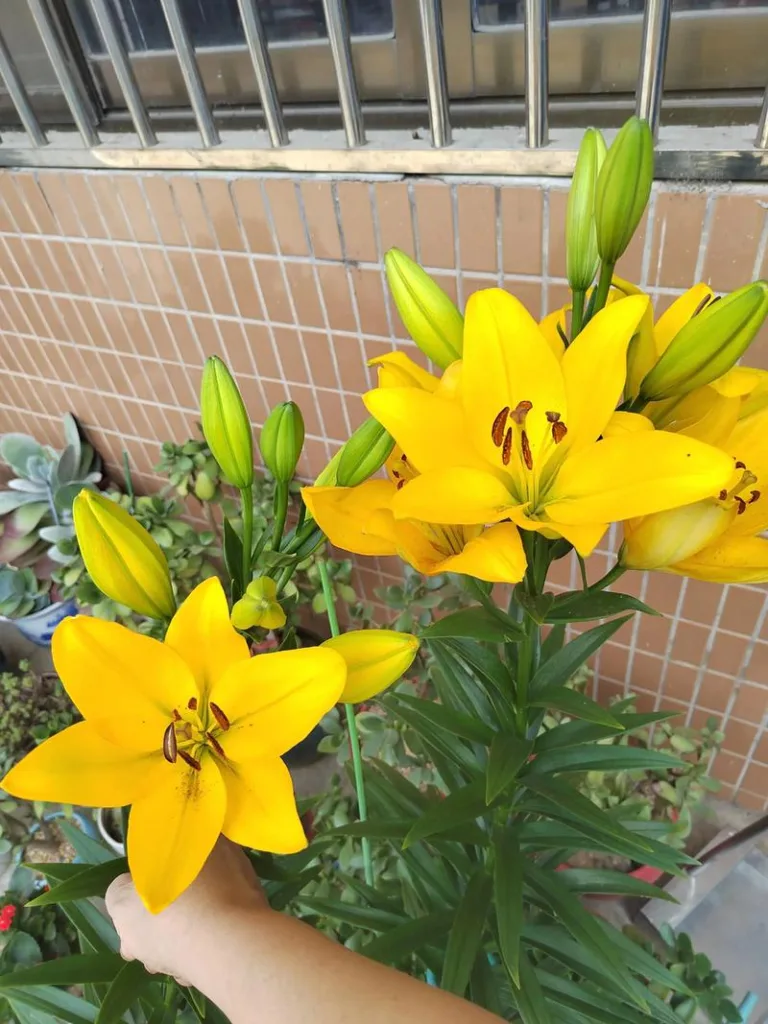
- Yellow Lily: Can signify joy, but may also be a subtle warning: “Beware, there’s a catch!”
Giving the wrong flower could convey the wrong message. Just thinking about it makes me nervous!
A Flower’s Three-Thousand-Year Journey.
Lilies aren’t a modern trend. Archaeologists discovered that as early as 1580 BC, people on Crete were already painting lilies in their murals. Over millennia, it traveled along trade routes from the Mediterranean to every corner of the world, blending into countless cultures and becoming one of the most prominent flowers in human history.
My Little Realization.
At first, I thought flowers were just flowers—beautiful and that was enough. Now I realize I was wrong. A flower isn’t merely a plant; it’s a vessel for stories. Different people pour their beliefs, hopes, fears, and love into it.
So next time you see a bouquet, don’t just admire its beauty. Try asking the giver or the recipient: “What does this flower mean to you?” You’ll discover the answer might be even more moving than the flower itself.
Ah, if only every flower could speak—how lively that would be!
Ultimately, understanding a flower is understanding the human heart. Textbooks can tell you its scientific name and origin, but only people can explain why Grandma insists on placing two lilies on the ancestral altar every year. These living stories are the most precious of all.
Recommended reading: Lily Flower Meaning: Symbolism, Colors, and Cultural Significance

One thought on “Lily Flower Meaning in Different Cultures: East and West Compared”